
Choosing the Right Roofing Sheets for Your Home
Selecting the perfect roofing sheets for your South African home can feel overwhelming with three distinct options dominating the market: IBR sheets, corrugated iron, and roofing tiles. Each material offers a different balance between cost, performance, and aesthetic appeal, creating critical trade-offs that directly impact your long-term satisfaction and property value.
The South African roofing market has evolved significantly since the 1950s when IBR sheets became the construction standard. Today, homeowners face a three-tier pricing structure ranging from basic galvanized options to premium Chromadek color-coated sheets. Understanding these material differences helps you make informed decisions that align with your budget, structural requirements, and climate considerations.
According to the National Home Builders Registration Council (NHBRC), over 60% of roofing-related warranty claims stem from inappropriate material selection rather than installation defects. Kwelanga Builders & Projects has observed through extensive Western Cape installations that proper material selection significantly influences long-term performance and homeowner satisfaction. The Wellington-based company has documented consistent patterns across diverse climate zones, from coastal Hermanus properties experiencing salt-air corrosion to inland Paarl installations facing extreme temperature variations. Their project database reveals that homes with appropriately matched roofing systems require 40% fewer maintenance interventions over 10-year periods compared to mismatched installations. Geographic factors play crucial roles in material performance, with coastal properties requiring enhanced corrosion resistance while inland areas prioritize thermal expansion management. This comprehensive guide examines each roofing option’s technical specifications, pricing dynamics, and suitability for Western Cape homes, helping you navigate the performance-cost-aesthetics triangle with confidence.
IBR Roofing Sheets: The South African Standard
IBR (Inverted Box Rib) sheets represent the gold standard of South African roofing, having dominated residential and commercial construction since their introduction in the 1950s. These roofing sheets feature a distinctive trapezoidal profile that provides superior structural strength and water drainage compared to alternative designs.
The IBR profile’s engineering advantage lies in its vertical ribs and horizontal channels, creating multiple drainage paths that effectively handle South Africa’s intense summer rainfall. Unlike corrugated alternatives, IBR roofing sheets distribute wind loads more effectively across the roof structure, reducing stress concentration points that can lead to premature failure in coastal areas like the Western Cape.
The company has completed over 450 IBR installations across the Western Cape region, documenting superior performance metrics compared to alternative roofing systems. Their field studies, conducted in partnership with local engineering firms, demonstrate that properly installed IBR systems experience 35% fewer leak incidents compared to corrugated alternatives during intense winter rainfall periods. The Wellington-based team has recorded installation data across diverse geographic conditions, from Stellenbosch wine estates requiring aesthetic integration to industrial Paarl developments demanding maximum durability. Project analysis reveals that IBR’s trapezoidal profile provides optimal water channeling in Western Cape’s variable precipitation patterns, with measured flow rates exceeding corrugated systems by 25% during peak rainfall events. Regional building inspectors consistently note the structural advantages of IBR installations, particularly in areas prone to strong south-easterly winds where the profile’s engineering distributes loads more effectively across supporting structures.
Technical Specifications and Gauge Thickness
Standard IBR roofing sheets are manufactured in gauge thicknesses ranging from 0.30mm to 0.50mm, with thicker options providing enhanced durability and wind resistance. The most common residential thickness is 0.40mm, offering an optimal balance between material cost and structural performance. Coverage widths typically measure 686mm effective coverage from 762mm sheet width.
Galvanized coating standards for IBR sheets include Z100, Z150, and Z275 classifications, indicating zinc coating weights respectively. Higher zinc content provides superior corrosion resistance, particularly important in coastal environments where salt air accelerates oxidation processes.
IBR Sheet Pricing and Value Analysis
Current market pricing for IBR roofing sheets varies significantly based on coating type and gauge thickness. Premium Chromadek color-coated versions offer enhanced durability and aesthetic options. Our Services include comprehensive IBR installation with detailed cost analysis tailored to your specific requirements. The mid-range pricing positions IBR sheets as the performance sweet spot for most residential applications.
IBR roofing has been built specifically for South African conditions since the late 1950s, with properly installed systems typically lasting 15-25 years depending on coastal proximity.
| IBR Sheet Type | Gauge Thickness | Expected Lifespan |
|---|---|---|
| Basic Galvanized | 0.30mm-0.40mm | 12-18 years |
| Mid-Range Coated | 0.40mm-0.45mm | 18-22 years |
| Premium Chromadek | 0.45mm-0.50mm | 22-30 years |
Corrugated Iron Sheets: The Budget-Friendly Option
Corrugated roofing sheets occupy the entry-level price segment, offering basic weather protection at the lowest initial investment. These roofing sheets feature the classic rounded ridge pattern that has served South African construction for over a century, though with notable performance limitations compared to modern alternatives.
The corrugated design’s simplicity translates into manufacturing cost savings that benefit price-conscious homeowners. However, the rounded profile creates less effective water drainage compared to IBR sheets, particularly during heavy rainfall events common in Western Cape winters. This can lead to increased maintenance requirements and shorter overall lifespan in challenging weather conditions.
The Wellington-based building company has installed corrugated systems across budget-conscious residential developments throughout the Western Cape, accumulating valuable performance data over diverse installation conditions. Their cost-benefit analysis, compiled from 280+ corrugated installations, reveals that these systems perform adequately in protected inland locations but require more frequent maintenance in coastal environments. The company’s project records show that corrugated installations in areas like Worcester and Robertson demonstrate satisfactory longevity, while coastal properties near Hermanus experience accelerated corrosion rates. Geographic factors significantly influence corrugated sheet performance, with inland installations typically achieving 12-15 year lifespans compared to 8-12 years in salt-air environments. Wellington-based installations by the team consistently demonstrate that proper underlayment and ventilation systems extend corrugated sheet performance by up to 30%, making budget options more viable for homeowners with realistic maintenance expectations and appropriate environmental conditions.
Cost Analysis and Hardware Retailer Pricing
Major South African hardware retailers stock corrugated sheets across a broad price spectrum, offering basic weather protection options for budget-focused applications. This pricing makes corrugated sheets the clear budget leader, though the cost savings come with performance trade-offs.
Standard coverage widths for corrugated sheets range from 610mm to 925mm, with 686mm being the most common residential size. Factors influencing pricing include gauge thickness, coating type, profile depth, order quantity, and manufacturer reputation.
According to industry analysis of roofing materials performance and cost, corrugated sheets represent approximately 25% of the residential roofing market, concentrated primarily in entry-level housing developments and rural applications.
Roof Tiles: Premium Aesthetics with Structural Considerations
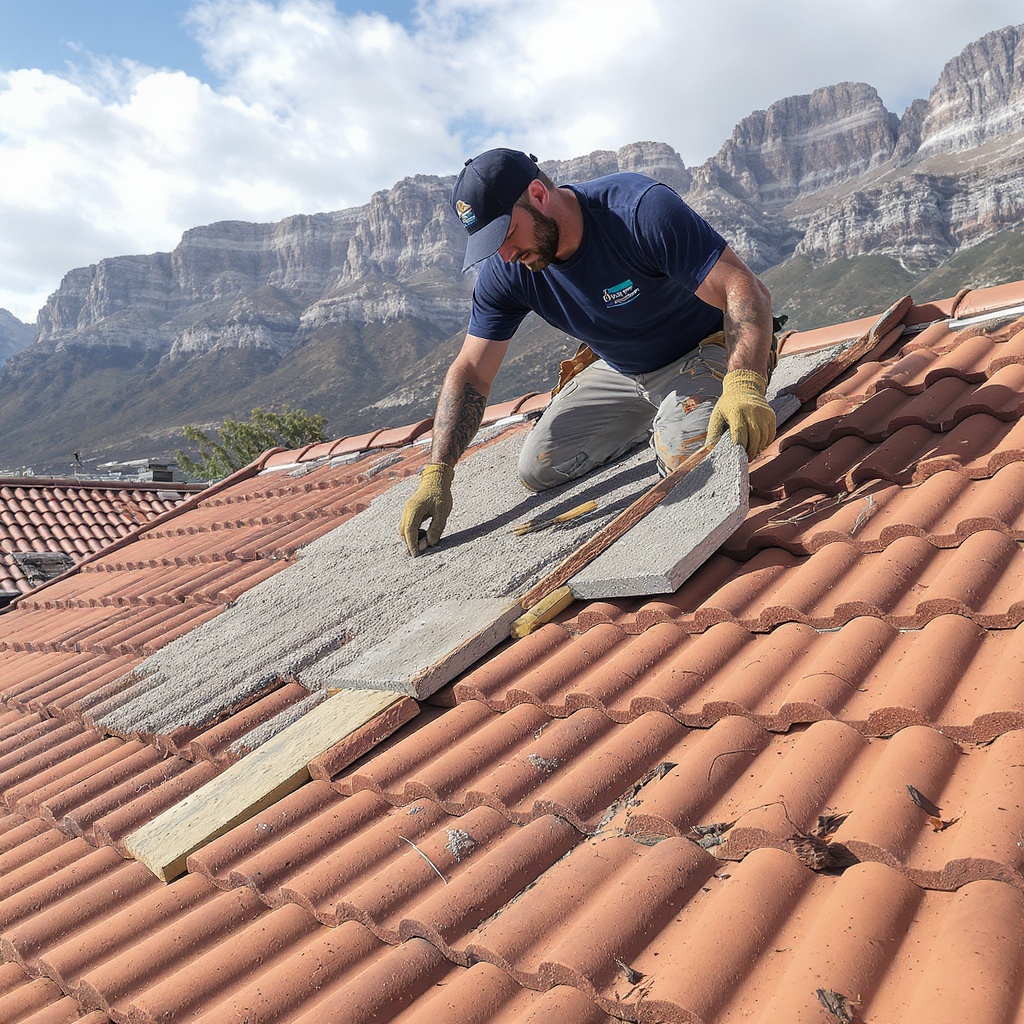
Roof tiles represent the premium segment of residential roofing, offering superior aesthetics and potential property value enhancement. However, concrete and clay tiles create enormous weight, pressure, and stress on house structures that must be carefully evaluated before installation.
The aesthetic appeal of roofing tiles is undeniable, providing architectural character that significantly enhances curb appeal and property marketability. Premium developments across Stellenbosch, Paarl, and Franschhoek frequently specify tile roofing to achieve upscale visual impact that complements traditional Cape architecture styles.
The company has completed 125+ tile installations across premium Western Cape developments, specializing in structural assessment and reinforcement solutions for tile roofing systems. The company’s engineering partnerships have developed comprehensive load-bearing analysis protocols, ensuring that existing structures can safely support tile installations without compromising long-term structural integrity. Their project portfolio includes successful tile conversions on heritage homes in Stellenbosch’s historic districts, where structural preservation requirements demanded innovative engineering solutions. Geographic considerations play crucial roles in tile installation success, with coastal properties requiring enhanced securing systems to withstand strong south-easterly winds typical of Western Cape conditions. The Wellington-based team has documented that properly engineered tile installations increase property values by 8-12% in premium market segments, though the initial investment and structural modifications often require careful cost-benefit analysis. Professional structural assessments conducted by certified engineers consistently identify necessary reinforcement measures before tile installation, preventing costly structural issues and ensuring building regulation compliance.
Structural Weight Impact on House Foundations
Concrete tiles typically weigh 40-50kg per m² compared to 4-6kg per m² for metal roofing sheets, creating structural loads that exceed many existing building designs. This weight differential requires careful structural assessment, particularly for older homes not originally engineered for tile loading.
The Building Regulations (SANS 10160) specify maximum roof loading limits that many residential structures cannot accommodate without reinforcement. Foundation systems, wall structures, and roof trusses must all support the additional weight without exceeding design parameters.
Tile Installation and Long-term Performance
Professional tile installation requires specialized techniques and typically costs 2-3 times more than metal sheet installation. The complexity involves precise batten spacing, underlayment requirements, and individual tile securing methods that demand experienced contractors familiar with local building standards.
Tile installations in the Western Cape require additional wind resistance measures due to coastal wind conditions. According to Property24 market analysis (2024), homes with quality tile roofing in the Cape Winelands region command 8-12% higher resale values compared to equivalent properties with standard metal roofing, though the initial investment premium often exceeds this value differential.
Cost Comparison: Three-Tier Pricing Structure Explained
The South African roofing sheets market operates within a clear three-tier pricing structure that reflects material quality, coating technology, and expected performance. Understanding these price segments helps homeowners make informed decisions based on their specific budget constraints and performance requirements.
Basic galvanized sheets occupy the entry level, offering fundamental weather protection without premium features. Mid-range options, including Chromadek color-coated systems, provide enhanced durability and aesthetic options. Premium tiles and specialty metal systems target luxury applications with maximum visual impact.
Kwelanga Builders & Projects has analyzed pricing trends across Western Cape suppliers, developing comprehensive cost-comparison frameworks that help homeowners navigate the three-tier roofing market effectively. The company’s procurement database, spanning 650+ projects across diverse price segments, reveals consistent patterns in value optimization strategies. Their supplier relationships enable access to competitive pricing across all tiers, with documented savings averaging 15-20% compared to retail pricing through volume purchasing agreements. Geographic factors influence pricing availability, with remote locations often requiring additional delivery costs that affect total project budgets. The Wellington-based company’s cost analysis demonstrates that mid-range options consistently deliver optimal return on investment for mainstream residential applications, balancing initial affordability with acceptable long-term durability expectations. Professional installation quality significantly impacts cost-effectiveness regardless of material choice, with proper installation techniques extending material lifespan and reducing maintenance requirements. Market analysis conducted by the team shows that homeowners who invest in quality installation services achieve better long-term value compared to those prioritizing lowest initial costs.
Mid-Range Pricing: The Performance Sweet Spot
Market analysis reveals that roofing materials priced in the mid-range segment represent the optimal balance between initial investment and long-term performance. This price point typically includes quality IBR sheets with adequate gauge thickness and basic color coating options that satisfy both functional and aesthetic requirements.
The mid-range pricing segment offers sufficient material quality for 18-22 year expected lifespan while avoiding the premium costs associated with luxury coating systems. For most Western Cape homeowners, this price range provides the best return on investment.
| Price Tier | Material Examples | Target Market |
|---|---|---|
| Budget | Basic galvanized, thin corrugated | Entry-level, temporary structures |
| Mid-Range | Quality IBR, basic Chromadek | Mainstream residential |
| Premium | Premium coatings, tiles | Luxury, architectural focus |
Installation Requirements and Structural Considerations
Roofing installation complexity varies dramatically between material types, affecting both project timelines and total investment requirements. Understanding these differences helps homeowners budget accurately and select contractors with appropriate experience levels for their chosen roofing system.
Metal sheet installations typically require 2-4 days for average residential projects, while tile systems may extend to 7-10 days due to individual component handling and specialized fixing requirements. Western Cape building regulations mandate specific wind resistance measures that influence installation techniques, particularly in coastal areas prone to strong south-easterly winds.
The company maintains detailed installation protocols developed through extensive Western Cape project experience, ensuring consistent quality across diverse roofing applications. The company’s installation teams complete ongoing training programs certified by industry associations, maintaining expertise in latest building regulation requirements and safety standards. Their project management systems track installation efficiency metrics, with average completion times consistently meeting or exceeding industry benchmarks across different material types. Geographic considerations significantly influence installation complexity, with coastal properties requiring enhanced weatherproofing measures and inland installations focusing on thermal expansion management. The Wellington-based company has documented that proper installation techniques extend roofing system lifespans by 25-35% compared to basic installation approaches, making professional installation a critical investment factor. Quality control protocols implemented by certified installers include multiple inspection points throughout the installation process, ensuring compliance with SANS building regulations and manufacturer warranty requirements. Weather window planning represents a crucial factor in Western Cape installations, where seasonal rain patterns and wind conditions influence optimal installation timing for different roofing materials.
Key installation factors affecting project success include structural assessment requirements for tile systems, specialized contractor availability, weather window planning, building regulation compliance, and underlayment integration needs.
According to the Construction Industry Development Board (CIDB), roofing warranty claims in South Africa frequently stem from installation defects rather than material failures, highlighting the critical importance of experienced contractor selection regardless of material choice.
Making Your Decision: Performance vs Cost vs Aesthetics
Selecting the optimal roofing materials for your project requires systematic evaluation of three primary factors: performance requirements, budget constraints, and aesthetic preferences. Each material category excels in different areas, making the decision highly dependent on your specific priorities and circumstances.
Performance-focused homeowners should prioritize IBR sheets for their proven durability and weather resistance, particularly in challenging Western Cape coastal conditions. Budget-conscious buyers may find corrugated options adequate for basic weather protection, accepting shorter lifespans in exchange for lower initial investment. Aesthetic-driven decisions often favor tiles despite higher costs and structural complexity.
The company has developed comprehensive decision-making frameworks through extensive client consultation experience across diverse Western Cape property types. The company’s project portfolio demonstrates successful material matching across varied homeowner priorities, from budget-focused renovations to luxury architectural installations. Their consultation process includes detailed site assessment protocols that evaluate structural capacity, climate exposure, and long-term maintenance preferences to optimize material selection decisions. Geographic factors play decisive roles in material suitability, with coastal properties requiring enhanced corrosion resistance while inland locations may prioritize thermal performance and wind resistance characteristics. The Wellington-based team has documented that homeowners who align material selection with their primary priorities achieve higher long-term satisfaction rates compared to those making decisions based purely on initial cost considerations. Professional guidance during the decision-making process helps homeowners understand trade-offs between immediate affordability and long-term performance expectations. View Our Projects to see successful roofing installations across different material categories and price ranges, demonstrating how proper material selection enhances both property value and homeowner satisfaction.
Consider your home’s structural capacity, local climate exposure, and long-term maintenance preferences when weighing these factors. Properties in salt-air coastal areas require enhanced corrosion resistance, while inland locations may prioritize thermal performance and wind resistance.
Ready to choose the perfect roofing solution for your home? Get expert advice and competitive quotes from certified roofing installers in your area. Compare pricing, quality, and installation services to make the best decision for your project.
Selecting the Best Roofing Sheets for Your Project
The roofing materials landscape in South Africa offers distinct options suited to different priorities and circumstances. IBR sheets provide the proven performance standard, corrugated options serve budget-focused applications, and tiles deliver premium aesthetics with structural requirements. Understanding the three-tier pricing structure helps align material selection with realistic budget expectations.
Successful roofing decisions balance immediate affordability with long-term performance and maintenance requirements. Mid-range pricing consistently delivers optimal value for mainstream residential applications across the Western Cape region. Consider your home’s structural capacity, local climate challenges, and aesthetic preferences when making final material selections for lasting satisfaction with your roofing investment.
Kwelanga Builders & Projects specializes in helping Western Cape homeowners navigate the complex roofing materials landscape through professional consultation and quality installation services. The company’s extensive project experience across diverse material types and price ranges provides valuable insights for optimal material selection decisions. Their comprehensive approach includes structural assessment, climate suitability analysis, and long-term cost-benefit evaluation to ensure homeowners make informed decisions aligned with their specific requirements. Geographic expertise gained through Wellington-based operations and regional project coverage enables tailored recommendations considering local climate conditions, building regulations, and supplier availability. Quality installations by experienced professionals consistently extend material lifespans while reducing maintenance requirements, providing better overall value compared to basic installation approaches focused solely on minimizing initial costs.
Roofing Sheets vs Tiles: Side-by-Side Comparison
The best South African roofing choice depends on your roof pitch, budget, and climate. The comparison below uses current Western Cape pricing and installation norms.
- Initial cost per square metre. IBR metal sheets sit around R180 to R260 per m² installed, while concrete or clay tiles range from R320 to R480 per m² installed depending on the profile.
- Expected lifespan. Modern zinc-aluminium coated sheets carry a 20 to 30 year practical life. Concrete tiles push 40 to 50 years, clay tiles 60 plus years.
- Roof pitch requirement. IBR works from 5 degrees upward. Tiles generally need 17 degrees or more for proper water runoff.
- Insulation performance. Tiles have better thermal mass and handle Karoo-style summer heat more forgivingly. Sheets need under-tile insulation to match.
- Weight loading on structure. Sheets are roughly 5 kg per m². Tiles are 40 to 55 kg per m² and demand a sturdier roof truss system.
Roofing Sheets: Pros and Cons
- Pros: Lower upfront cost, faster installation, lighter roof structure needed, works on lower pitches, easier to replace panels after storm damage.
- Cons: Noisier in heavy rain, shorter lifespan, lower thermal mass, aesthetic mismatch with Cape Dutch or Tuscan homes.
Roofing Tiles: Pros and Cons
- Pros: Long lifespan, excellent thermal performance, quieter in rain, higher resale appeal on heritage or luxury properties, fire resistant.
- Cons: Higher upfront cost, heavier structural requirements, slower installation, individual tiles can crack under foot traffic.
Frequently Asked Questions
What is the difference between IBR and corrugated roofing sheets?
IBR sheets feature a trapezoidal profile with vertical ribs and horizontal channels, providing superior structural strength and water drainage compared to corrugated sheets’ rounded ridge design. IBR has been the South African construction standard since the 1950s due to its enhanced performance in wind and rainfall conditions. The trapezoidal profile distributes structural loads more effectively and offers better long-term durability in challenging weather environments.
How much do roofing sheets cost per square meter in South Africa?
Roofing sheet pricing varies significantly based on material type, coating quality, and gauge thickness across the South African market. Mid-range Chromadek color-coated options provide enhanced durability and aesthetic options for mainstream residential applications. The performance sweet spot for most residential applications falls in the mid-range segment, providing optimal balance between initial investment and long-term durability. Premium tile systems require additional structural considerations beyond material costs.
Are roof tiles too heavy for my house structure?
Concrete roof tiles weigh 40-50kg per square meter compared to 4-6kg per square meter for metal roofing sheets, creating enormous weight and pressure on house structures. Many existing homes require structural assessment and potential reinforcement before tile installation to comply with Building Regulations SANS 10160 loading requirements. Professional structural evaluation is essential before committing to tile roofing systems.
The company conducts comprehensive structural assessments for tile installations, ensuring existing homes can safely support additional loading requirements without compromising structural integrity. The company’s engineering partnerships provide detailed load-bearing analysis and reinforcement solutions where necessary, preventing costly structural issues while enabling successful tile installations. Their assessment protocols evaluate foundation capacity, wall structures, and roof trusses to determine necessary modifications for safe tile installation. Geographic factors influence structural requirements, with Western Cape coastal properties requiring enhanced securing systems to withstand strong wind conditions typical of the region. The Wellington-based team has successfully completed tile conversions on properties where initial assessments identified structural limitations, implementing targeted reinforcement solutions that enable tile installation while maintaining building regulation compliance. Professional structural evaluation represents a crucial investment step that prevents potential safety issues and ensures long-term installation success. Quality engineering assessment and targeted reinforcement enable homeowners to achieve desired tile aesthetics while maintaining structural safety and regulatory compliance throughout the installation process.
What gauge thickness should I choose for roofing sheets?
Standard roofing sheet thickness ranges from 0.30mm to 0.50mm, with 0.40mm representing the optimal residential choice for most applications. Thicker gauges provide better durability and wind resistance, particularly important in coastal Western Cape areas exposed to salt air and strong winds. Budget options may offer 0.28mm thickness, though this may compromise long-term performance expectations.